5 Diversity and Inclusion strategies for small- or medium-sized businesses
Diversity and Inclusion strategies can support businesses of all sizes – not just those large enough to have ample resources, high-volume recruitment and pride networks. And diversity coupled with inclusion is, simply, good for business. An inclusive workplace typically benefits from:
increased engagement, innovation and productivity amongst all staff
increased staff retention, and
the ability to attract talent.
Who wouldn’t want a piece of this pie?
In addition to this, we also have a responsibility – in fact, sometimes a legal one – to provide an inclusive environment for employees. This means using the power and privilege we hold to work towards equity by reducing the impacts of bias and eliminating discrimination.
But, what does this mean for small- or medium-sized businesses, and how can you create meaningful change when you’re already at capacity? Here’s my list of five achievable Diversity and Inclusion strategies.
Consider representation in your business’s marketing
I recently saw an ad for a small chauffeur business. Its key service offering was collecting people from the airport and delivering them to local destinations. In it, there was no diversity – all the people in it were white. The business missed a huge opportunity to appeal to their target market: people travelling from Asia!
Representation matters. If people don’t see themselves using your product or service they’ll likely assume your business isn’t for them. When you ensure that your marketing reflects the diversity of your client-base, it’ll create a sense of aspiration and inclusion.
Start by reviewing your marketing material for diversity across race, gender, age, disability and sexuality so it more accurately reflects the people who access your business. If you’d like a helping hand, Bree Gorman offers a Digital Marketing Inclusion Audit that will support you to identify opportunities to demonstrate inclusion in your organisation’s marketing.

Review your recruitment processes
Understand bias
Your organisation’s recruitment process can be a barrier to workforce diversity. Say you mention to a colleague that you’re on the lookout for a new apprentice. You chat casually and they recommend someone, and you decide to give that person a trial. Although this may seem like a robust recruitment process, it’s susceptible to bias – chances are, you’ve just hired someone like you.
Let’s unpack this a little. As humans we are programmed to see people who are like us as safe, competent and trustworthy. And the opposite is true for those who aren’t like us. This isn’t based on fact – it’s a bias that’s developed as a result of structural inequality. Bias is pervasive. It can prevent us from finding the best candidate for a job, even though we may think that’s exactly what we’ve done. And, even after hiring someone, we look for signs that tell us we made the right choice, which is called confirmation bias.
Advertise widely
So, how do you avoid bias in the recruitment process? Despite the costs, I recommend advertising new positions widely. Here are a few points to consider:
Where you’ll advertise. Will someone from a culturally and linguistically diverse background be able to find the ad?
The language you use. In your ad, ensure the language used appeals to a diverse audience. You might even state that you value diversity and promote inclusion.
Who’s supporting you with the recruitment process. Engage someone, preferably with a different background to you, to help. One of the best ways to reduce the impact of bias is to bring diversity to the decision-making table.
If you’re unable to advertise, try broadening your networks. Read more about this in my article about checking your privilege to build your community. You can also get in touch with the diversity consultants at Bree Gorman. We’ll undertake a review of your recruitment processes and pinpoint actions you can take to improve them.
Inclusive leadership is key
Valuing inclusive behaviours in the promotions, recruitment and performance management processes should be a priority. Does your organisation reward inclusivity in your managers? Do you provide them the opportunity to build their inclusive leadership skills? Check out Bree Gorman’s Inclusive Leadership Workshops to empower and support the leaders in your workplace to foster workforce diversity.
Develop an effective complaints process
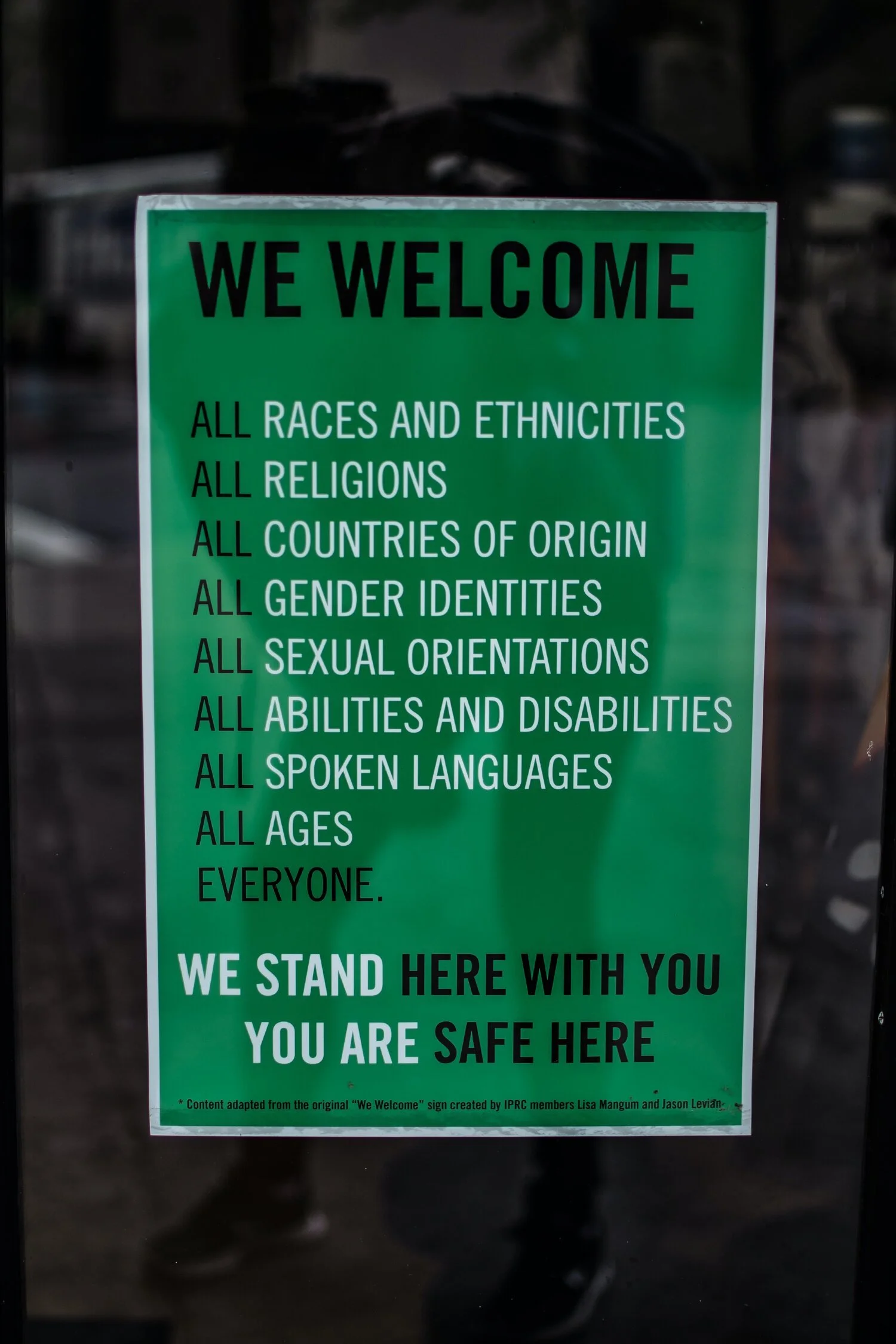
People need to feel safe and supported if something does go wrong, particularly if it goes wrong with their supervisor. A strong, independent and robust complaints process can create an instant sense of inclusion for staff from marginalised or under-represented groups. Don’t forget the power of anonymous feedback processes too, as long as you’re public about acting upon them. Even if the processes never get accessed, set them up, have a policy that people know about and this will go a long way towards creating inclusion and attracting diverse talent.
Work with a diversity consultant
What is your strategy for creating diversity in leadership? How do you bring diverse perspectives to your decision-making? What does your data say about your current situation and how can you measure progress? How do you turn your good intentions into sustainable, meaningful change that continues to deliver benefits for your organisation into the future?
If your workforce diversity efforts could do with extra support, consider engaging a diversity consultant, like an expert from Bree Gorman. Get in touch with us today!
You may also like…